Beautiful interiors rarely come from choosing each element independently. Flooring affects cabinetry, cabinetry influences countertop selections, countertops interact with backsplash materials, and lighting can completely change how every color and texture appears. Establishing a material direction early creates a foundation for making more confident decisions throughout the project.
Beginning with the most visually important materials also helps prevent compromises later. A favorite stone slab, distinctive flooring, or particular cabinet finish can become the starting point around which secondary selections are coordinated. This approach creates consistency while still allowing individual elements to have their own character.
BUILDING A COHESIVE MATERIAL PALETTE
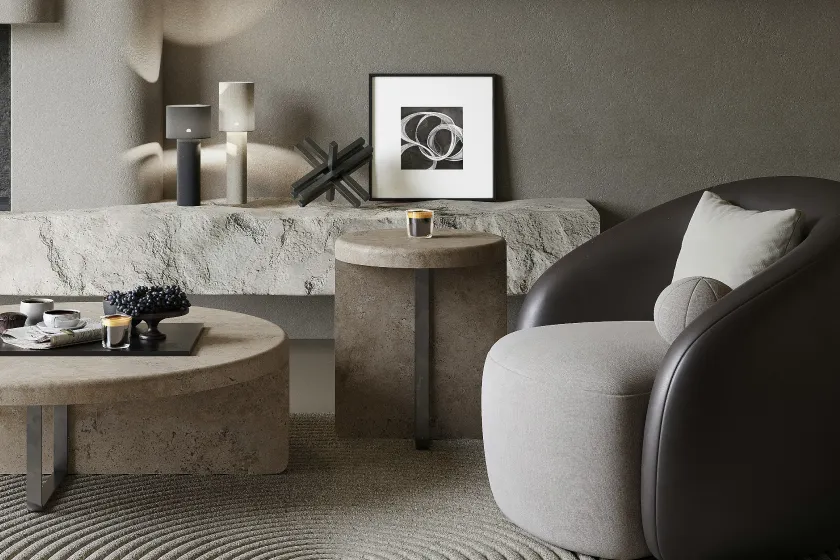
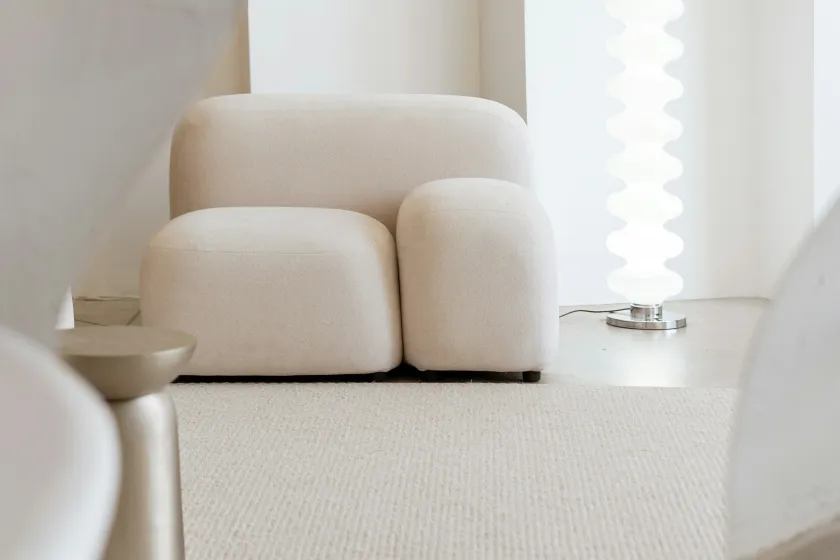
A successful palette does not require every material to match. In fact, subtle contrast between wood, stone, tile, metal, and other finishes often gives an interior its depth. The goal is to create relationships between materials rather than selecting them in isolation.
Seeing those materials side by side is one of the advantages of visiting a design showroom. At Cherry Hills Design Center, clients can explore multiple product categories together and understand how different selections interact before making final decisions.
Great design begins when individual materials start working together.
Planning selections as a complete composition can simplify the design process, reduce uncertainty, and create an interior that feels considered from the first major surface to the smallest finishing detail.
Share: